
Assistant Professor, PI
Chase Francis has a long-standing interest in how high frequency stimulation, commonly used in deep brain stimulation, alters motivational states. His research career began at Appalachian State University where he received his B.A. and B.S. in biology and psychology, respectively, studying the effects of audiogenic seizures on emotional states in rats under the mentorship of Dr. Mark Zrull. In 2011, he continued his training at the University of Maryland, Baltimore working in the molecular neurocircuitry lab of Dr. Mary Kay Lobo where he obtained his Ph.D. (first generation academic). Here, he studied the role of medium spiny neuron subtypes in outcomes to social defeat stress and uncovered molecular and structural underpinnings driving alterations in medium spiny neuron neurophysiology. He joined the Synaptic Plasticity Section of the NIDA IRP in 2016 where he studied peptidergic release and plasticity within the striatum. In 2019, he continued his research in the Integrative Research Branch under the advisement of Dr. Marisela Morales. He joined the Drug Discovery and Biomedical Sciences Department in June 2022. In September 2025, the lab moved to the University of Maryland School of Medicine in the UM-MIND institute and Department of Psychiatry. In his free time he enjoys hiking, playing and listening to music, and being silly with his kids.

Eugene Lee, M.S.
PIN Ph.D. Graduate Student
Eugene began in the Francis lab in August of 2024 after completing her masters thesis at Korea University in Seoul, South Korea. She studied how local prefrontocortical circuits are involved in memory and how excitatory circuits connecting to the striatum are involved in memory and psychiatric disorders. In the Francis lab, she is studying how sensory stimuli can be used to promote plasticity in Nucleus Accumbens circuits.
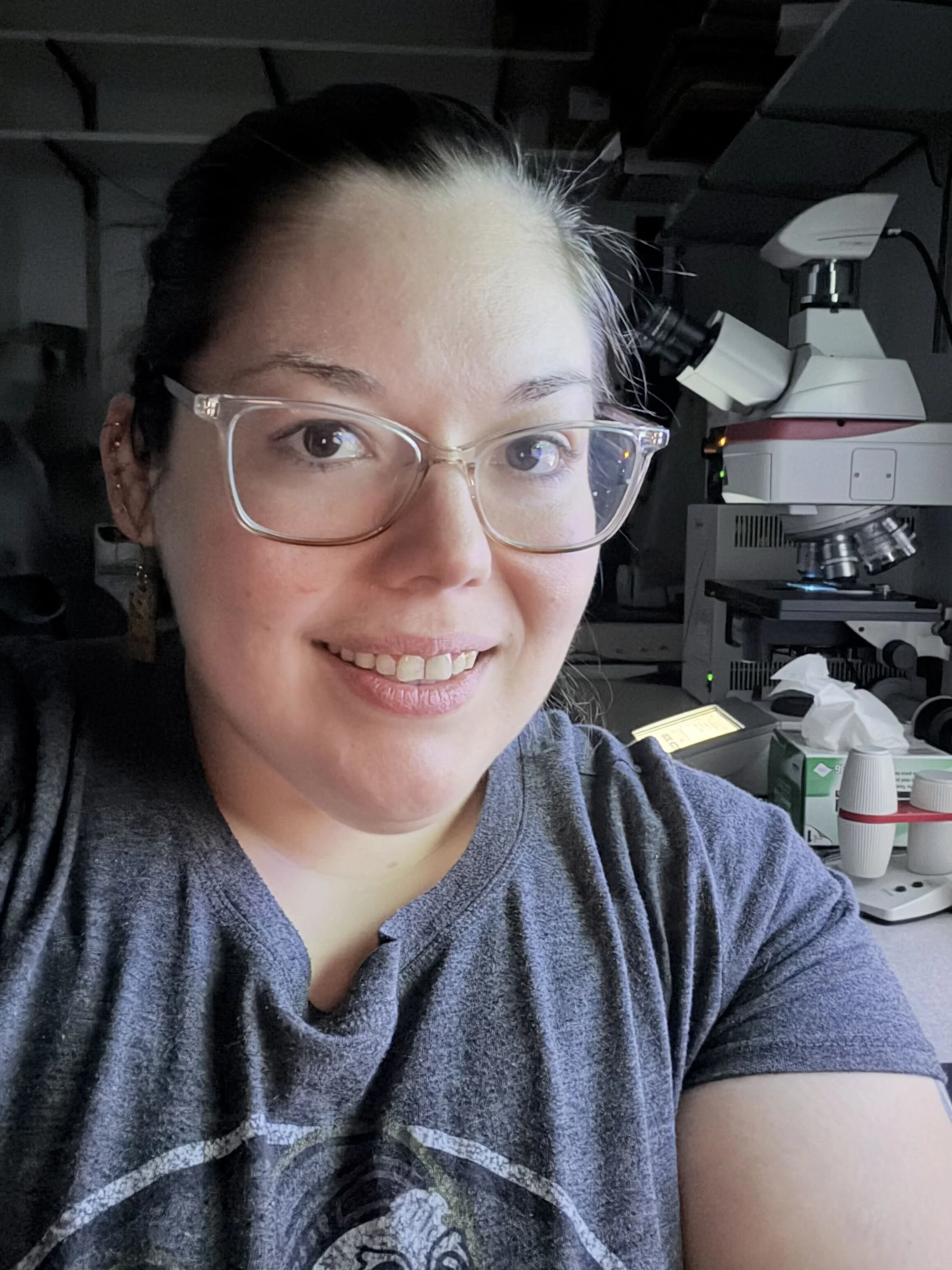
Beth Pattie
Molecular Medicine Ph.D. Graduate Student
Beth joined the lab in August 2026. She is currently testing how newly discovered output pathways from Nucleus Accumbens circuits drive aversive learning. These studies are foundational for understanding how animals can enhance or diminish fear learning states and reduce fear generalization.
Maithily Hingmire
Program in Neuroscience Ph.D. Graduate Student
Sarah Keck
CMBS Masters Student
Sarah joined the lab in 2026 where she is currently developing machine learning algorithms to estimate stress susceptibility and fear states.
Loise Kabui
CMBS Masters Student
Loise joined the lab in 2026. She is testing how a variety of neutral sensory stimuli activate whole brain circuits and excitatory inputs that project to the Striatum.
Lab Alumni

Desh Deepak Ratna, Ph.D.
Post-doctoral Fellow
Currently at UTHealth Houston

Cortez Gray, B.S.
Lab Technician

Liz Mays, B.S.
Undergrad Research Assistant
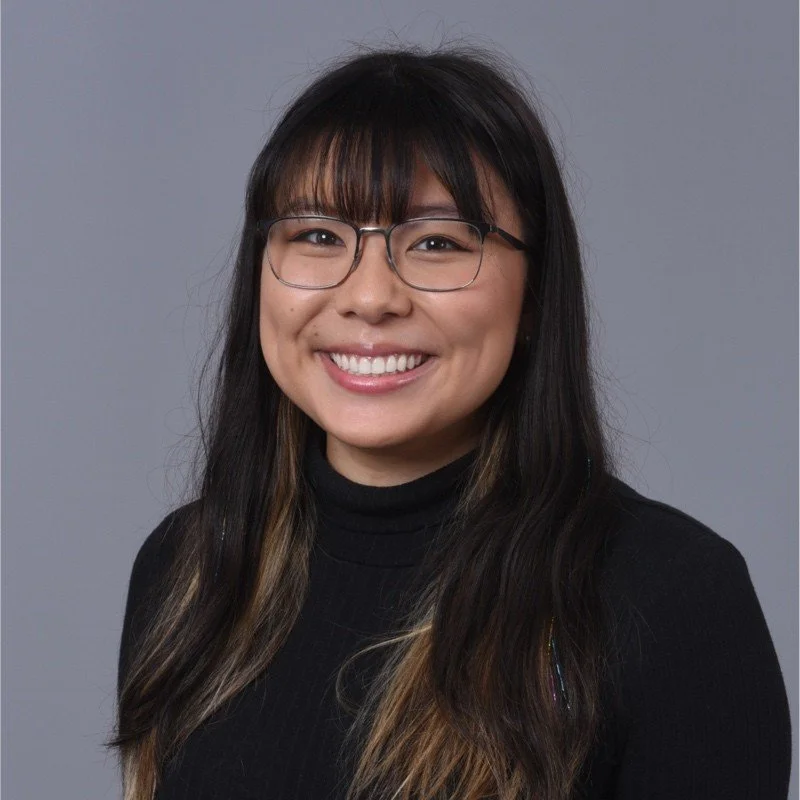
Shannon Li - Undergraduate Research Assistant
Makenna Hamilton - Undergraduate Research Assistant
Destiny Black, B.S.
Undergrad Research Assistant
Currently a UMB PIN Graduate Student

Holiday outing with food and drinks at Bierkeller German Brewery

DD presents new data at NeuroNet

Eugene wins the James Plaxo Jr. Scholarship Award for outstanding research in Pharmaceutical Sciences